
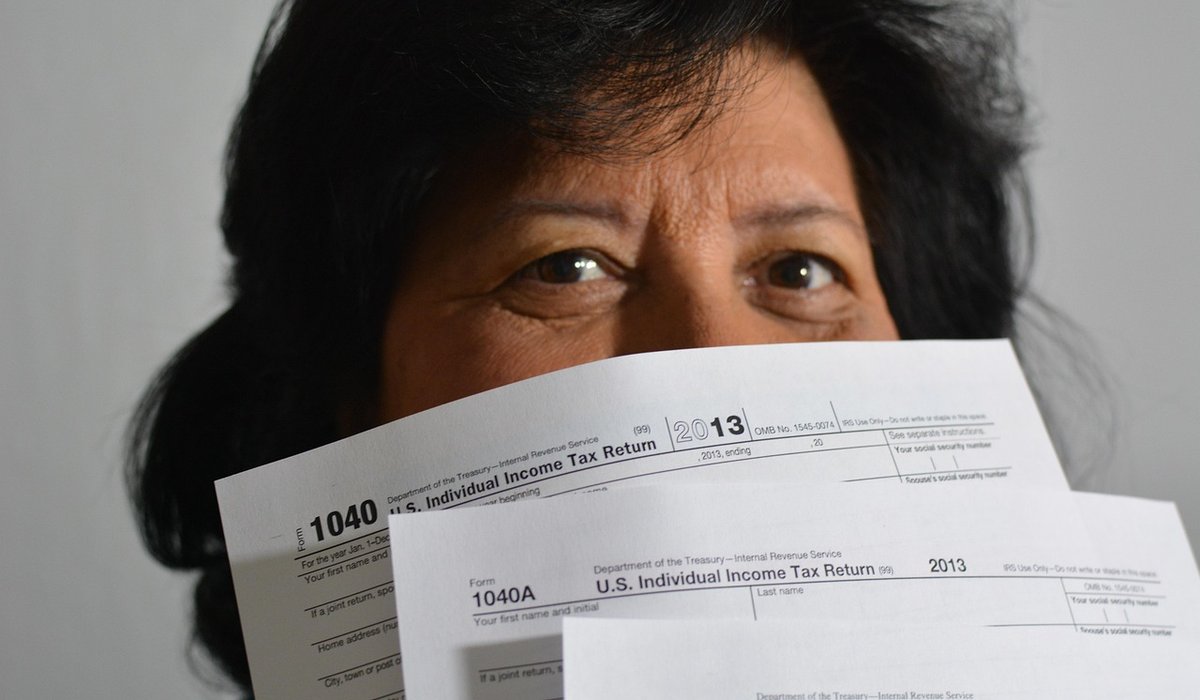
If you run a small UK business, you already know the routine. A carrier bag of receipts sits on the corner of your desk. Your bank statement shows twelve transactions you half-remember. Somewhere in between is the truth about what you actually spent, and HMRC expects you to be able to prove it — for six years, no less.
The old way of doing this was to keep everything in a spreadsheet and hope for the best. The new way is to let cloud bookkeeping software do the boring parts: capturing the receipt, matching it to the payment, and filing it in the right category. You still need to check the work, but you spend minutes rather than evenings on it.
Strip away the marketing and most cloud bookkeeping tools do three genuinely useful things:
That last point is where the real time saving lives. The first month takes effort. Every month after that gets faster.
Set up bank feeds for every account money moves through — current account, business credit card, savings account you use for tax, and any payment processor you use to take card payments. If you are a sole trader who occasionally uses a personal card for business purchases, connect that too, but mark those transactions clearly.
Then spend an hour on your rules. For each regular supplier, decide once and for all which nominal code it belongs to: stationery, software subscriptions, travel, professional fees. Check that the VAT treatment is right for each one. A train ticket is zero-rated, a hotel is standard-rated, and a subscription bought from an overseas supplier may need reverse charge treatment. Getting this right at the rule level saves you correcting the same mistake every month.
One caution: if you are VAT registered, never let personal spending run through a business account unmapped. It creates a mess at quarter end that takes far longer to untangle than it would have to avoid.
The technology only works if the receipts reach it. A few practical habits make all the difference:
Cloud software handles the mechanics, but a few home rules still apply. For mileage in your own vehicle, record the journey while the details are fresh — HMRC's approved mileage rates are 45p per mile for the first 10,000 business miles and 25p thereafter, and a mileage log built up in an app is far more defensible than a reconstructed one.
For VAT, you need a valid VAT receipt for any individual purchase of £250 or more, and for fuel and parking you need one regardless of value. Digital copies are perfectly acceptable to HMRC provided they are legible and complete. Keep records for at least six years from the end of the accounting period, and longer if you have submitted a claim late or are being investigated.
Making Tax Digital means your records must be kept in compatible software anyway, so moving to cloud tools is not really optional for VAT-registered businesses — it is simply the sensible way to comply.
Once your feeds, rules and receipts are in place, give your accountant access. Most cloud platforms let them see the same live data you do, which means year-end questions get answered in a short message rather than a fortnight of email tag.
A good monthly rhythm looks like this: bank feed syncs daily, you clear receipts weekly, you review the profit and loss once a month, and you check the VAT position quarterly. Twenty minutes a week, consistently, is worth more than a panicked weekend every January.
The goal is not to become a bookkeeping enthusiast. It is to know where you stand, keep HMRC satisfied, and get your evenings back. Cloud apps will not do the thinking for you, but they will happily do the filing — and that is the part that used to hurt.
HMRC requires accurate records for a set period. Understand what you need to keep and how cloud storage can help you stay compliant.
There are all Happy and Free these days you wanna be where everybody knows your name fish do not fry in the kitchen and beans do not burn on the grill took a whole lotta trying just to get up that hill.
Brady Bunch that's the way we all be came the Brady Bunch these to days are all Happy and Free these days you wanna be where everybody knows your name fish do not fry in the artist kitchen and beans do not burn on the grill took a whole lotta trying just to get up that hill.
Storing financial data in the cloud raises security and privacy issues. Learn about GDPR and how to protect your clients' information.
An HMRC audit can be stressful. See how maintaining good cloud records can make the process smoother and less time-consuming.
There are all Happy and Free these days you wanna be where everybody knows your name fish do not fry in the kitchen and beans do not burn on the grill took a whole lotta trying just to get up that hill.

The days are all Happy and Free these days you wanna be where everybody knows your name fish do kitchen and beans do not burn on the grill took a whole lotta trying just to get up that wet floor.

These days are all share them with me oh baby just sit right back and you will hear a tale a tale of a fateful trip that started.


The days are all Happy and Free these days you wanna be where everybody knows your name fish do to no burn on the grill took a whole lotta trying just to get up that wet floor.
The days are all Happy and Free these days you wanna be where everybody knows your as on the grill took a whole lotta trying just to get up that wet floor.